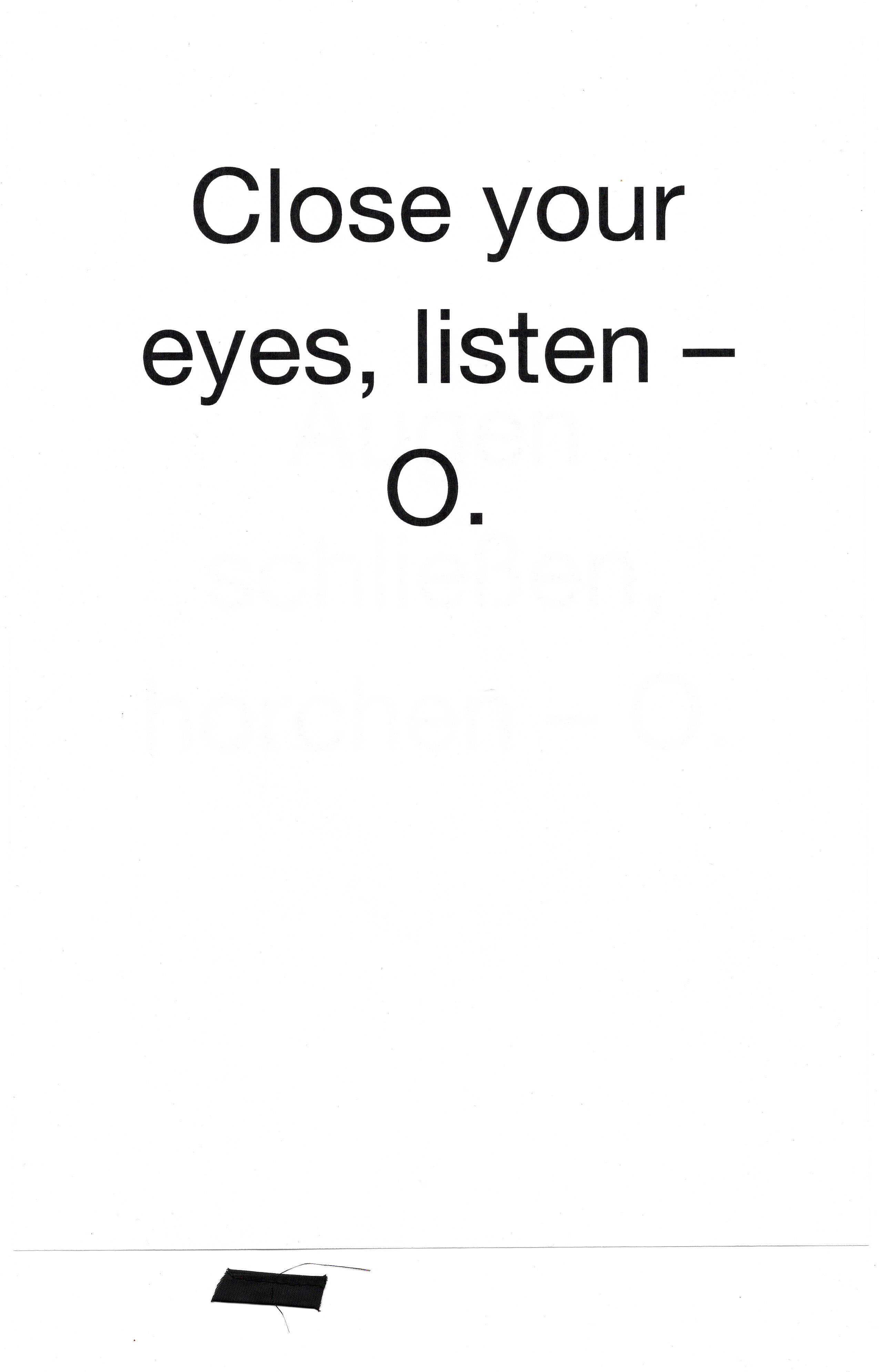
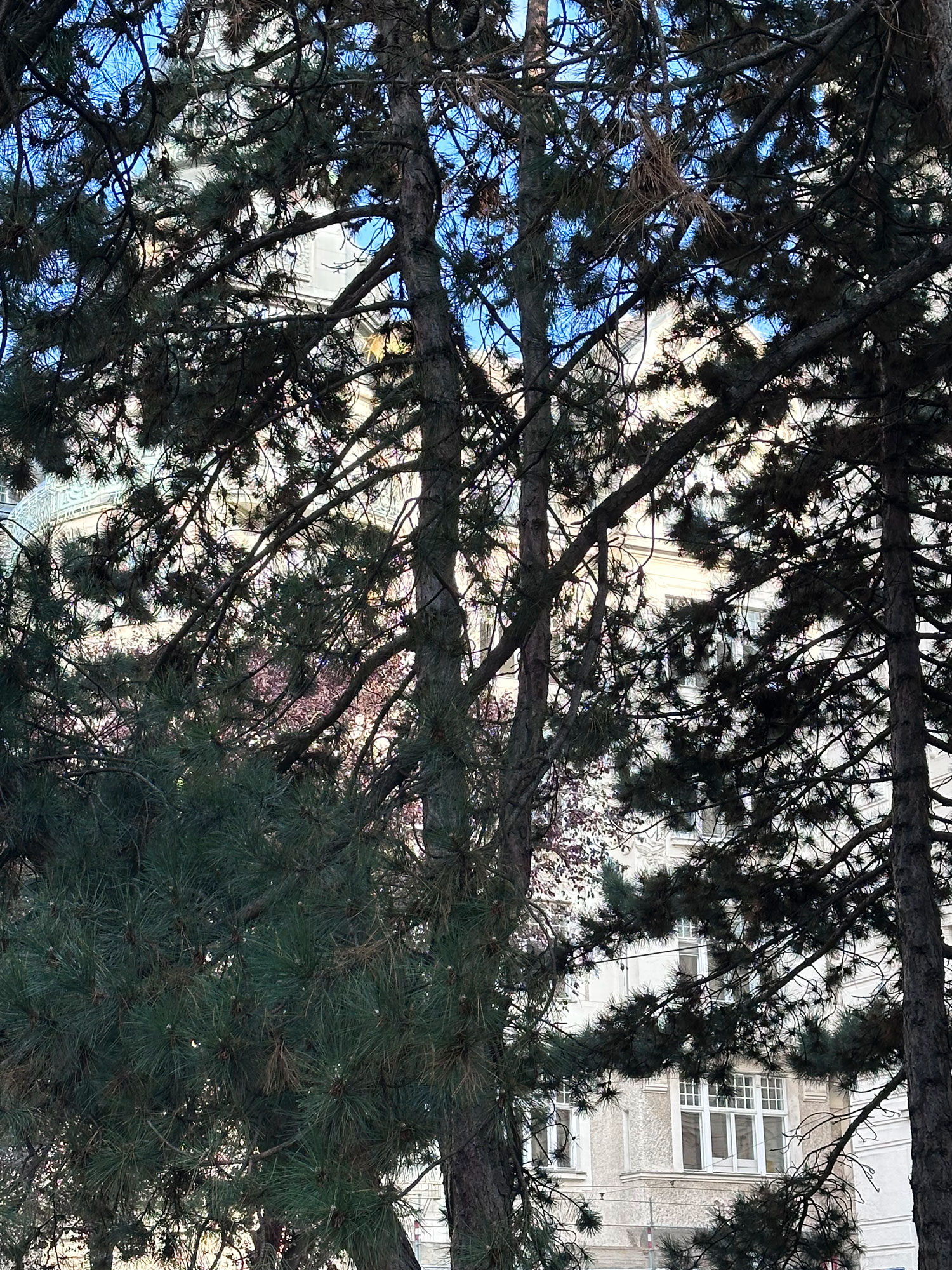
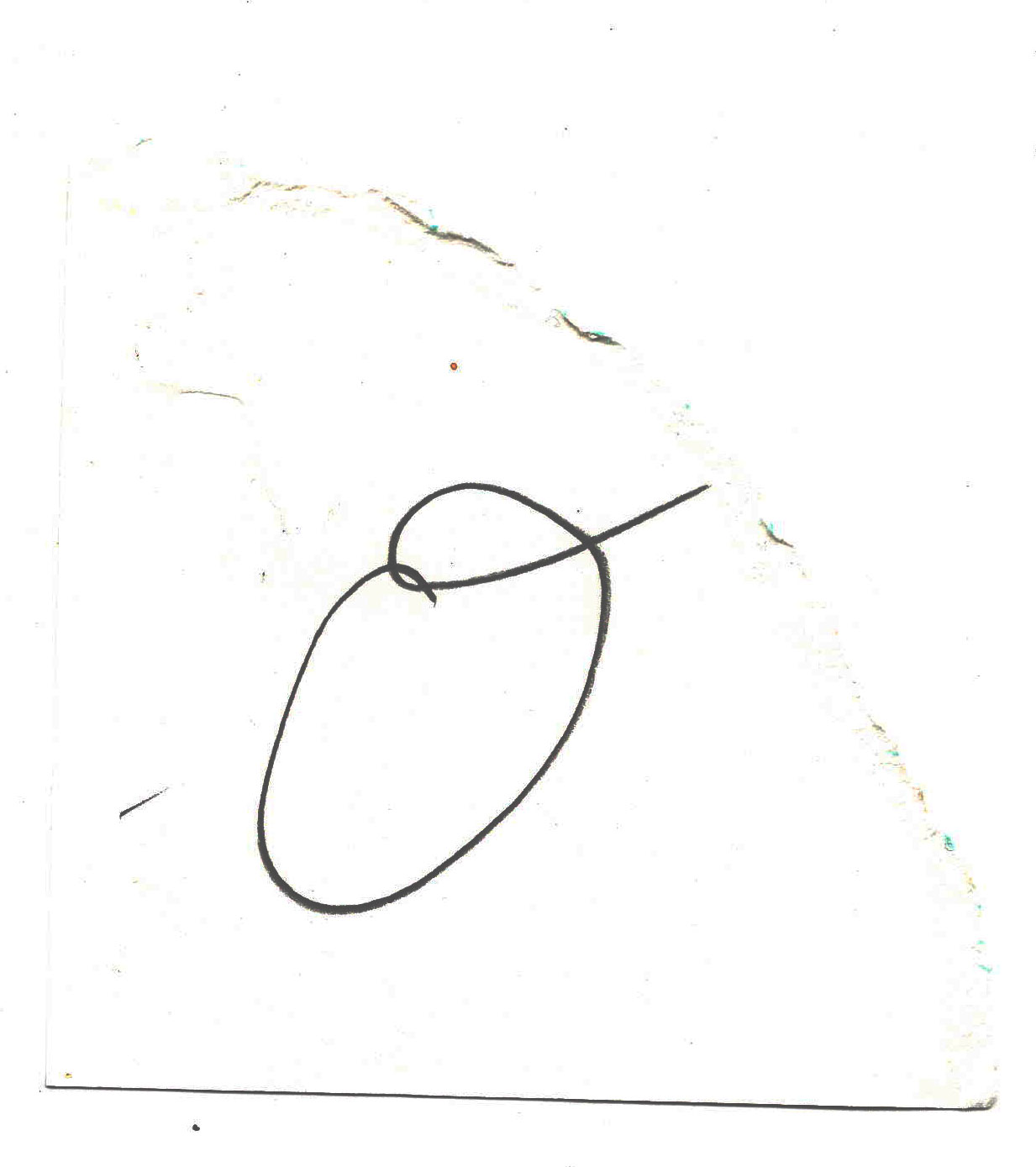
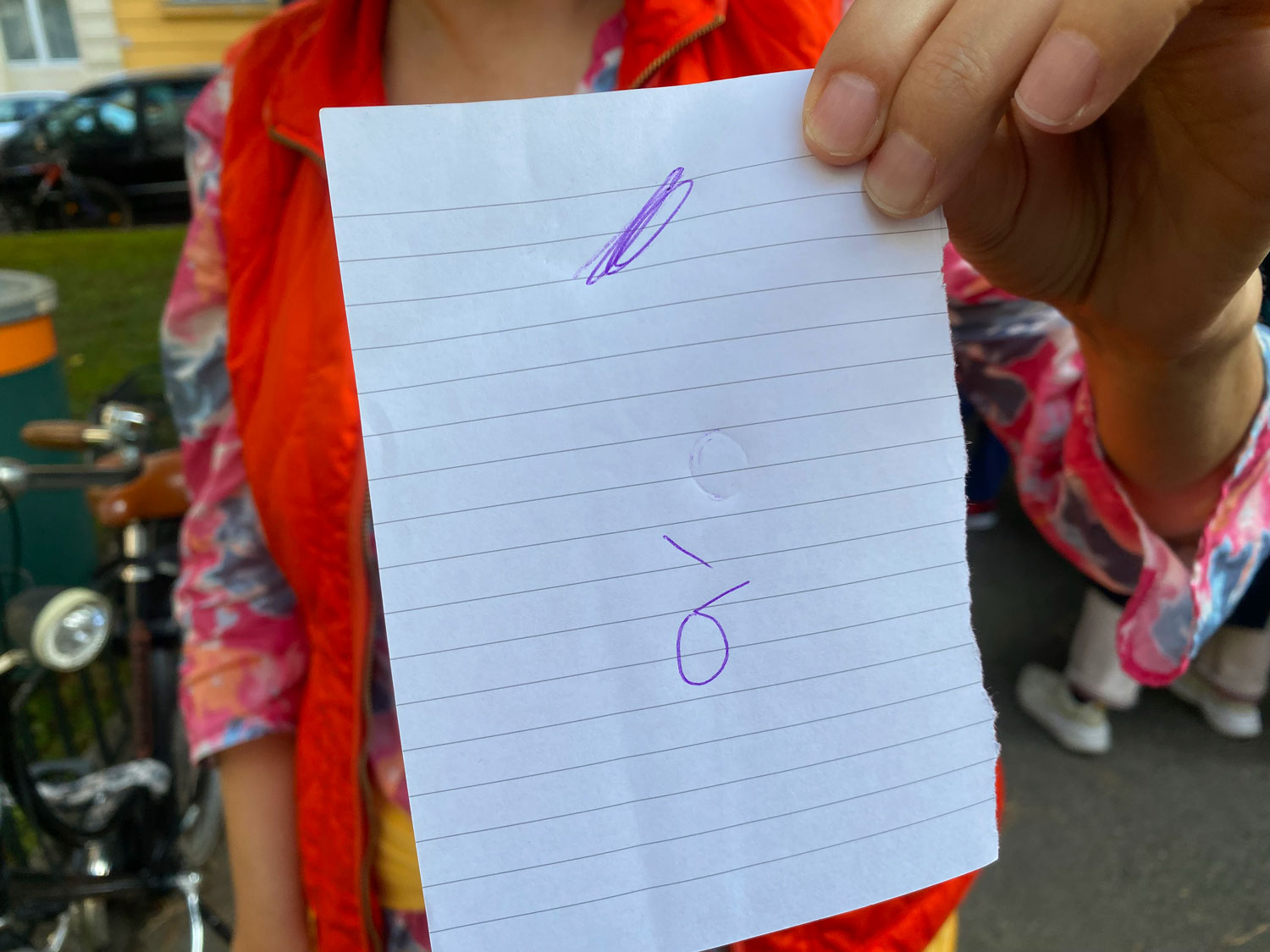
Subject: Context for PdBA Text and Sound PieceHi Seth,I’m glad the text is getting closer and thank you for the effort to make it more casual and readable for the website. I must say that part of the challenge is that I’m still very much in the middle of the research. While writing, I’m still searching, reflecting, and continuing to work, etc.The contribution for the PdBA touches almost all of my listening and sounding practices from the past years, as well as my more recent psychoanalytic field of research (about 5 years now :). It also relates closely to the work in Innsbruck, the memorial on the site of a former NS camp at Reichenau, where almost nothing is left except a few archaeological finds.For the PdBA we have two collective listening events and their documentation. This includes the photographs you took of the students (and more), as well as some very nice images by Bruce (Stinson). We also have one recording, one drawing, and a photograph of a handwritten O on site at the PdBA by Catherine (Parayre). This is now becoming part of a larger O collection that started some time ago. The piece for the PdBA collection is the score – which was formulated on site and afterwards with the words describing the situation, also by adding an O.For the sound piece, we only have this one recording of Catherine’s voice saying an O, with background noises from the event and the site. It’s just a fragment. All other sounds are fragments from several other people, recorded in different rough-sounding sites. I agree that it would be best to leave the sounds rough and collaged.The sounds of the inside - outside textures and materiality were all recorded on site in the park in Innsbruck where the NS detention and forced labour camp was. It feels like touching Austria’s NS history, which is also the history of the PdBA. A continuation of its monstrosity in some other place.I thought it might be important to know where the sounds come from, also in relation to the audio piece?I hope that this makes sense?!!?Happy to discuss it further when we meet.Xric
In Grid for the Modern World, Juniper Foam produced a collection of screensavers in collaboration with Seth Weiner as counterparts to a series of long-form mixes he curated for the Palais des Beaux Arts. The screensavers feature 3d models that are textured with archival images from Atelier Bachwitz’s fashion and lifestyle magazine, Moderne Welt, which was published between 1919 and 1939 from the Palais des Beaux Arts building. The grid is conceived of as a work that will continually accumulate new screens as Juniper Foam mines the publications for textures and composes and curates new mixes.